LABORATORY FOR PROTEIN DYNAMICS
Research

Laboratory for Protein Dynamics

Research

Research

Protein networks in cancer, stress and treatment response

Four programmes connect dynamic protein interactions with melanoma biology, targeted-therapy resistance, migration and environmental carcinogenesis.
01

p53 and p73 isoform networks in melanoma

We map how p53- and p73-family isoforms interact with NME and GLI proteins to shape melanoma progression, cell fate and therapeutic response.

The p53 family comprises multiple proteins and isoforms that can cooperate or antagonise one another. The laboratory identifies p53 interaction partners in melanoma, with particular emphasis on p53/p73 isoforms and the NME and GLI protein families.

Expression profiling, functional interaction studies and patient-derived melanoma material are used to define network states linked to invasion, metastasis and resistance. The long-term goal is to identify combinations of proteins that can serve as biomarkers or therapeutic targets.
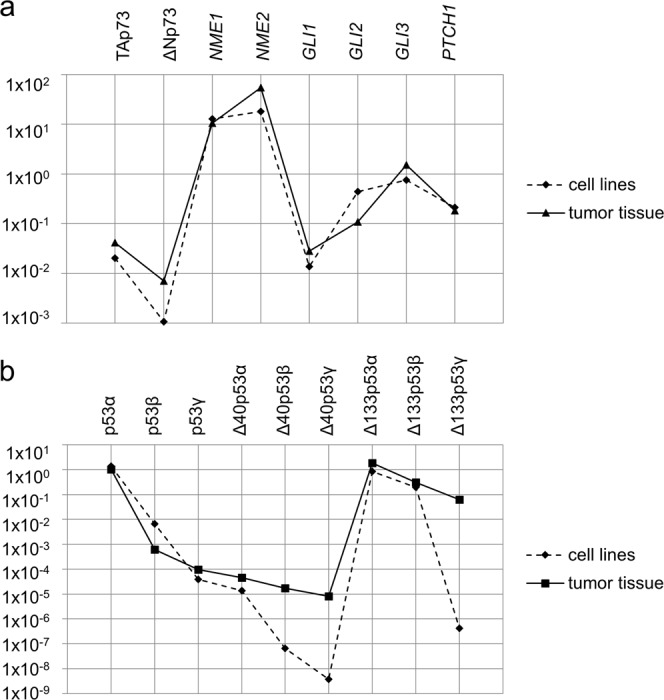
Comparison of p53-family, NME and GLI expression profiles between metastatic melanoma tissue and melanoma cell lines.
02

Resistance to BRAF/MEK-targeted therapy

We investigate the protein and microRNA programmes that allow metastatic melanoma cells to acquire resistance to targeted treatment.

Targeted therapy can produce substantial initial responses in metastatic melanoma, but resistant populations frequently emerge. The laboratory examines molecular features that distinguish sensitive, persister and resistant states.

Recent work focuses on p53-family isoforms and microRNAs as regulators of acquired resistance. Comparing paired melanoma models before and after resistance reveals candidate mechanisms that may be targeted to delay or reverse treatment failure.

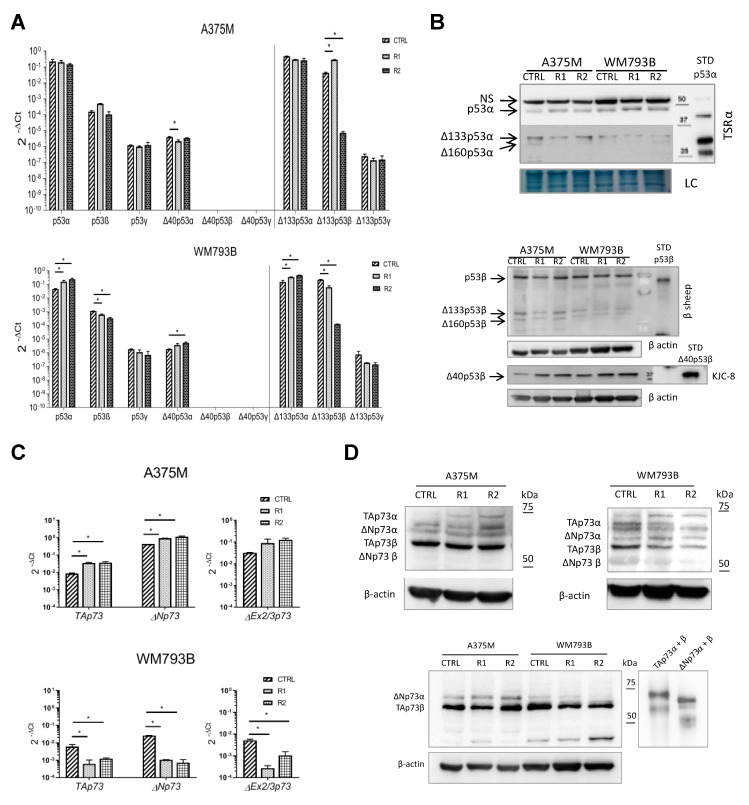
p53 and p73 isoform expression in parental and vemurafenib-resistant melanoma cell lines.
03

NME protein dynamics, migration and stress responses

We study NME1 and NME2 as dynamic regulators of cell migration, protein assembly and DNA-damage responses.

NME proteins have roles that extend beyond nucleotide metabolism. The laboratory investigates NME1 and NME2 in cell migration, their potential synergistic actions and their movement between cellular compartments after stress.

Live-cell imaging, oligomerisation measurements and functional assays connect protein localisation and assembly with tumour-cell behaviour and DNA-damage responses.

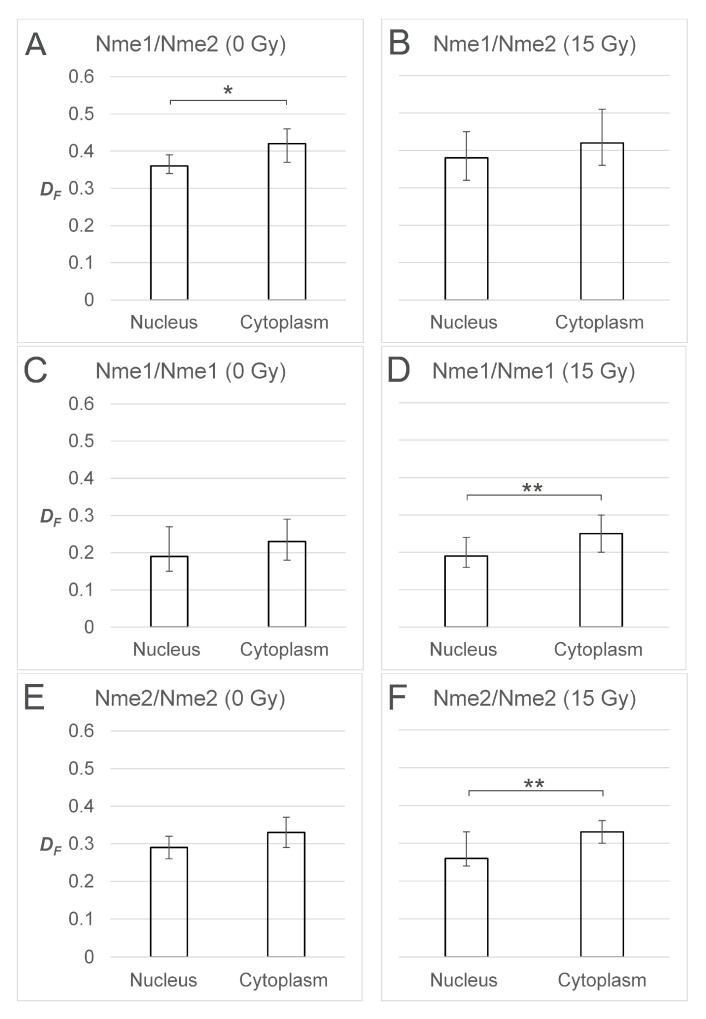
Comparison of NME1/NME2 molecular dynamics between the nucleus and cytoplasm before and after gamma irradiation.
04

Aristolochic acid, mutational signatures and urothelial cancer

We use TP53 mutations and DNA adducts to define the carcinogenic imprint of aristolochic acid in endemic nephropathy-associated urinary-tract cancer.

Balkan endemic nephropathy is associated with exposure to aristolochic acid and a high incidence of upper urinary tract urothelial carcinoma. The laboratory has helped define characteristic TP53 mutations and aristolactam–DNA adducts linked to this environmental carcinogen.

This work demonstrates how mutational patterns can connect exposure, mechanism and disease and provides a model for the molecular epidemiology of environmentally driven cancers.

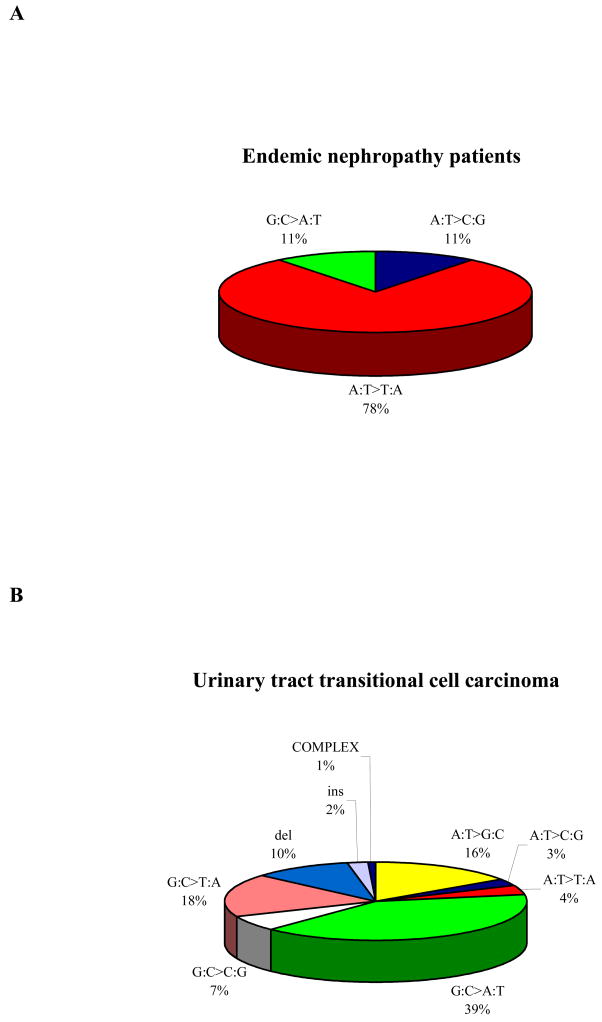
TP53 mutational spectra in upper urinary tract urothelial cancers from endemic-nephropathy patients compared with other upper-tract cancers.